Phantasy Bounce
Endless Runner is a low-fidelity prototype developed to study how control schemes and player agency shape moment-to-moment experience. The project focuses on a single mechanic and tests how altering interaction rules changes player perception.
Rather than building content breadth, the project prioritised mechanical clarity and comparative design.
Phantasy Bounce
Endless Runner is a low-fidelity prototype developed to study how control schemes and player agency shape moment-to-moment experience. The project focuses on a single mechanic and tests how altering interaction rules changes player perception.
Rather than building content breadth, the project prioritised mechanical clarity and comparative design.
Phantasy Bounce
Phantasy Bounce
Year:
2019
Year:
2019
Year:
2019
Collaborators:
Rugare Ponde
Collaborators:
Rugare Ponde
Collaborators:
Rugare Ponde
Industry:
Game Design & Development
Industry:
Game Design & Development
Industry:
Game Design & Development
Role:
Game Designer, Developer, UI/UX Designer
Role:
Game Designer, Developer, UI/UX Designer
Role:
Game Designer, Developer, UI/UX Designer
Client:
University of the Witwatersrand
Client:
University of the Witwatersrand
Client:
University of the Witwatersrand
Project Duration:
4 weeks
Project Duration:
4 weeks
Project Duration:
4 weeks
Problem
How does the player experience change when the same core mechanic is expressed through different interaction models and control constraints?
Problem
How does the player experience change when the same core mechanic is expressed through different interaction models and control constraints?
Solution
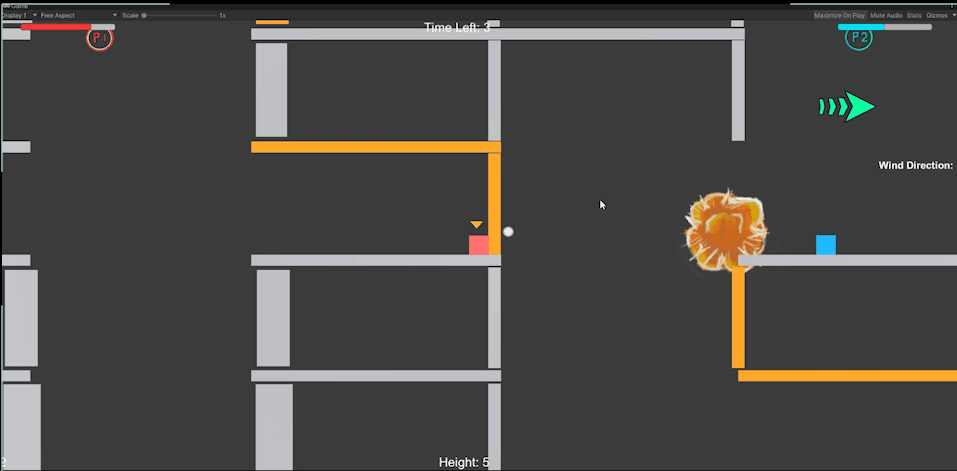
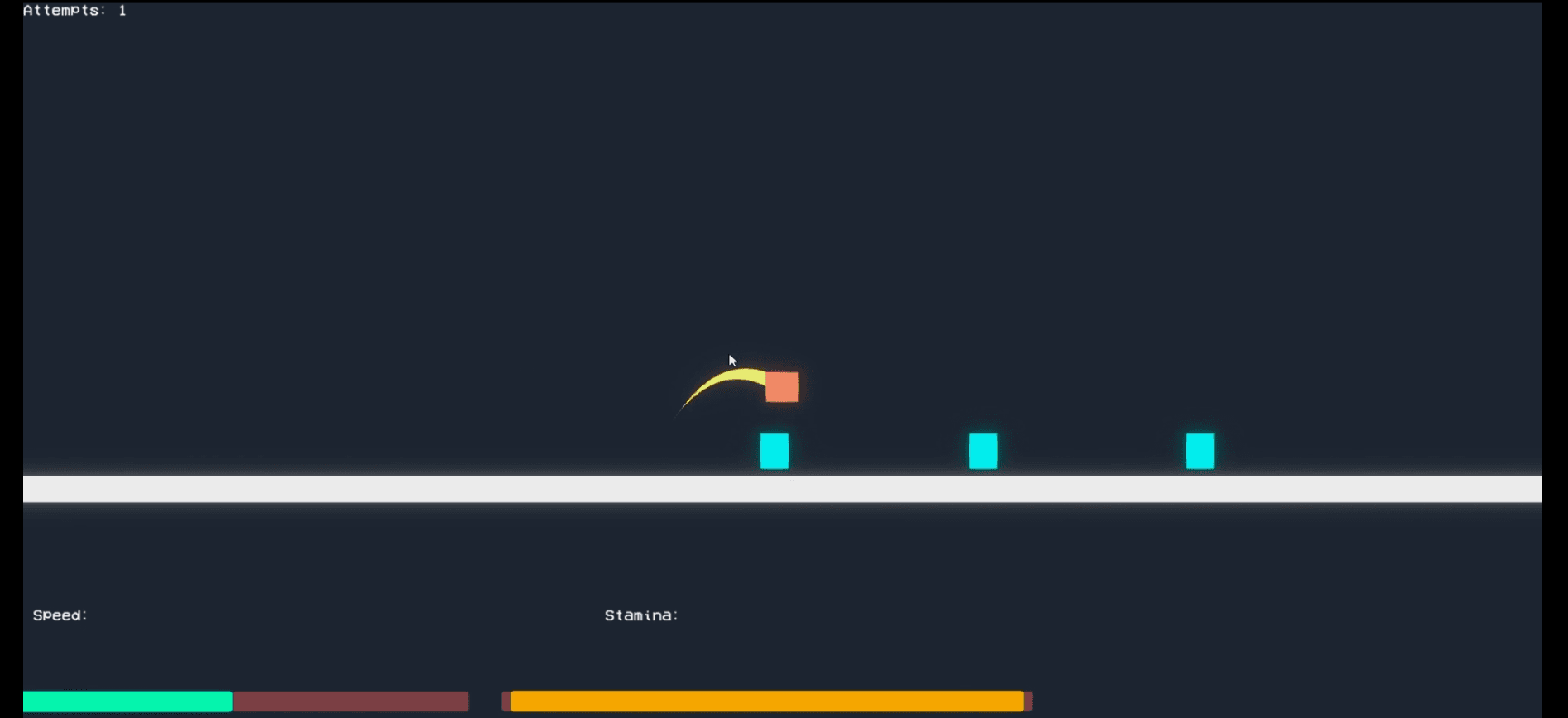
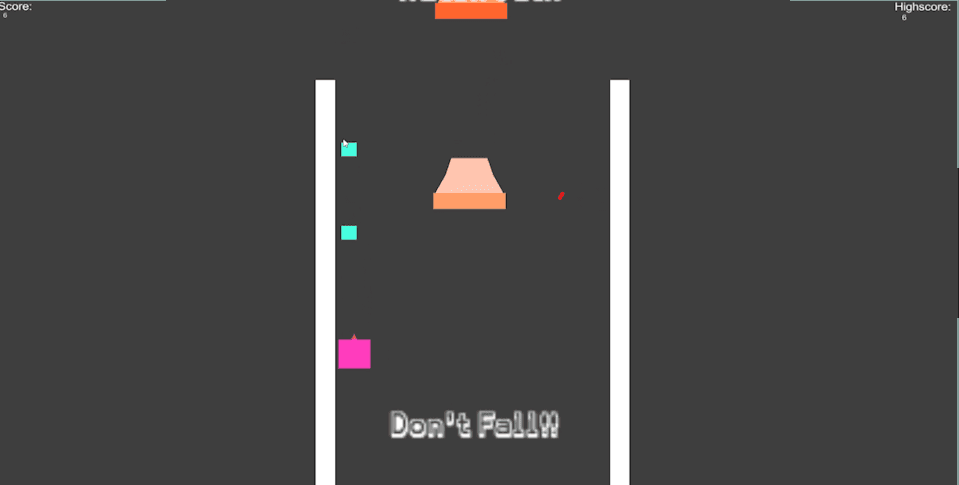
I designed three variations of a wall-jumping mechanic within a shared game structure, allowing players to directly compare interaction styles in real time.
Each version adjusted player agency and control logic while keeping the core objective consistent.
Version 1: Dash-based movement toward the mouse while the environment scrolls
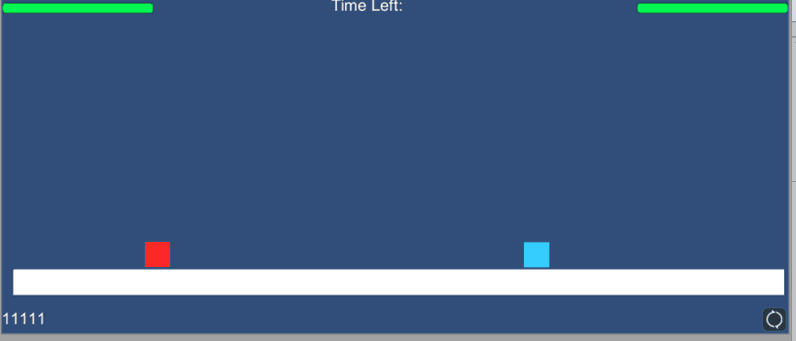
Version 2: Removed jumping entirely and replaced it with gravity flipping.
Version 3: Traditional platformer movement where jumping is only possible via trampolines.
This approach allowed side-by-side evaluation of how control changes affect pacing, challenge, and engagement.
Solution
I designed three variations of a wall-jumping mechanic within a shared game structure, allowing players to directly compare interaction styles in real time.
Each version adjusted player agency and control logic while keeping the core objective consistent.
Version 1: Dash-based movement toward the mouse while the environment scrolls
Version 2: Removed jumping entirely and replaced it with gravity flipping.
Version 3: Traditional platformer movement where jumping is only possible via trampolines.
This approach allowed side-by-side evaluation of how control changes affect pacing, challenge, and engagement.
Challenge
I encountered several significant hurdles during testing:
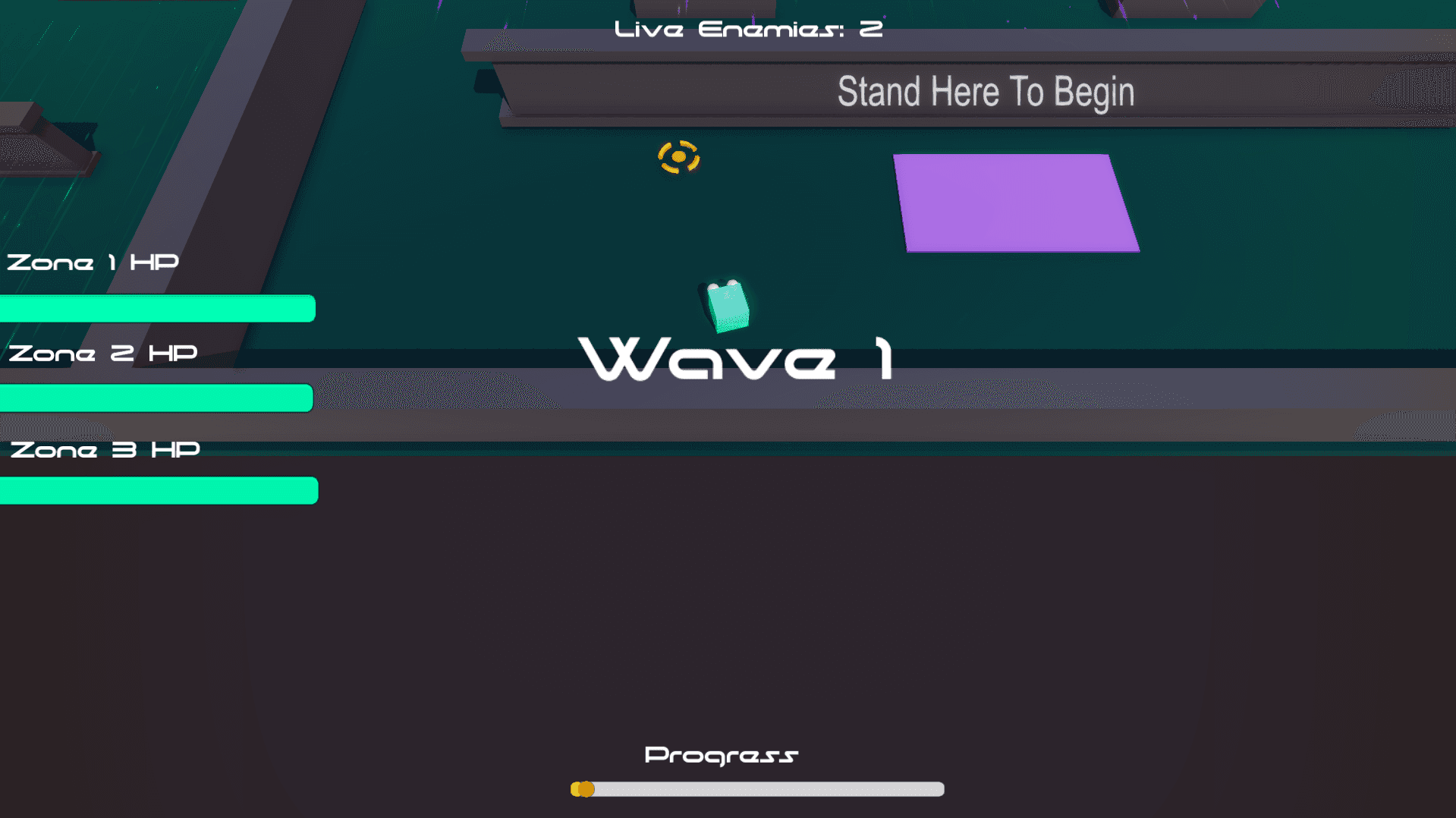
Difficulty Spikes: Early playtests showed that enemies were too overwhelming, preventing players from making any progress and causing extreme frustration.
Power Imbalance: Conversely, because enemies did not damage the player directly, the player often felt too overpowered, leading to a "dull and predictable" experience.
Technical Errors: Early iterations suffered from inaccurate progression bars and poor collision detection, which hindered the user's ability to track their success.
Challenge
I encountered several significant hurdles during testing:
Difficulty Spikes: Early playtests showed that enemies were too overwhelming, preventing players from making any progress and causing extreme frustration.
Power Imbalance: Conversely, because enemies did not damage the player directly, the player often felt too overpowered, leading to a "dull and predictable" experience.
Technical Errors: Early iterations suffered from inaccurate progression bars and poor collision detection, which hindered the user's ability to track their success.
Core Mechanics
Single-mechanic focus: Wall traversal as the primary interaction
Perspective shifts: Three control systems within the same game framework
Vertical & Horizontal level design: Encouraged experimentation with movement timing.
Physics-based interactions: Trampoline mechanics built using 2D buoyancy effectors.
Core Mechanics
Single-mechanic focus: Wall traversal as the primary interaction
Perspective shifts: Three control systems within the same game framework
Vertical & Horizontal level design: Encouraged experimentation with movement timing.
Physics-based interactions: Trampoline mechanics built using 2D buoyancy effectors.
Process
The project followed a comparative prototyping approach:
Analysis of existing game mechanics for ideation.
Developing player controllers for each mechanic variation.
Modular level design tied each mechanic to a specific level.
Peer-based A/B testing to compare interaction models.
Iterative observation of how static vs. dynamic control systems affected game feel.
The focus remained on learning through rapid experimentation rather than feature completeness.
Process
The project followed a comparative prototyping approach:
Analysis of existing game mechanics for ideation.
Developing player controllers for each mechanic variation.
Modular level design tied each mechanic to a specific level.
Peer-based A/B testing to compare interaction models.
Iterative observation of how static vs. dynamic control systems affected game feel.
The focus remained on learning through rapid experimentation rather than feature completeness.
Tools Stack





Outcome & Learnings
While the final experience did not achieve strong differentiation between mechanic variations, the project provided valuable design insights.
Key learnings:
Changing controls alone is not enough to create a distinct experience.
Meaningful challenge is essential to prevent repetitive or static gameplay.
Early evaluation helps identify when to pivot or abandon underperforming ideas.
This project reinforced the importance of clear experiential goals and rapid iteration when exploring interaction design.
Outcome & Learnings
While the final experience did not achieve strong differentiation between mechanic variations, the project provided valuable design insights.
Key learnings:
Changing controls alone is not enough to create a distinct experience.
Meaningful challenge is essential to prevent repetitive or static gameplay.
Early evaluation helps identify when to pivot or abandon underperforming ideas.
This project reinforced the importance of clear experiential goals and rapid iteration when exploring interaction design.